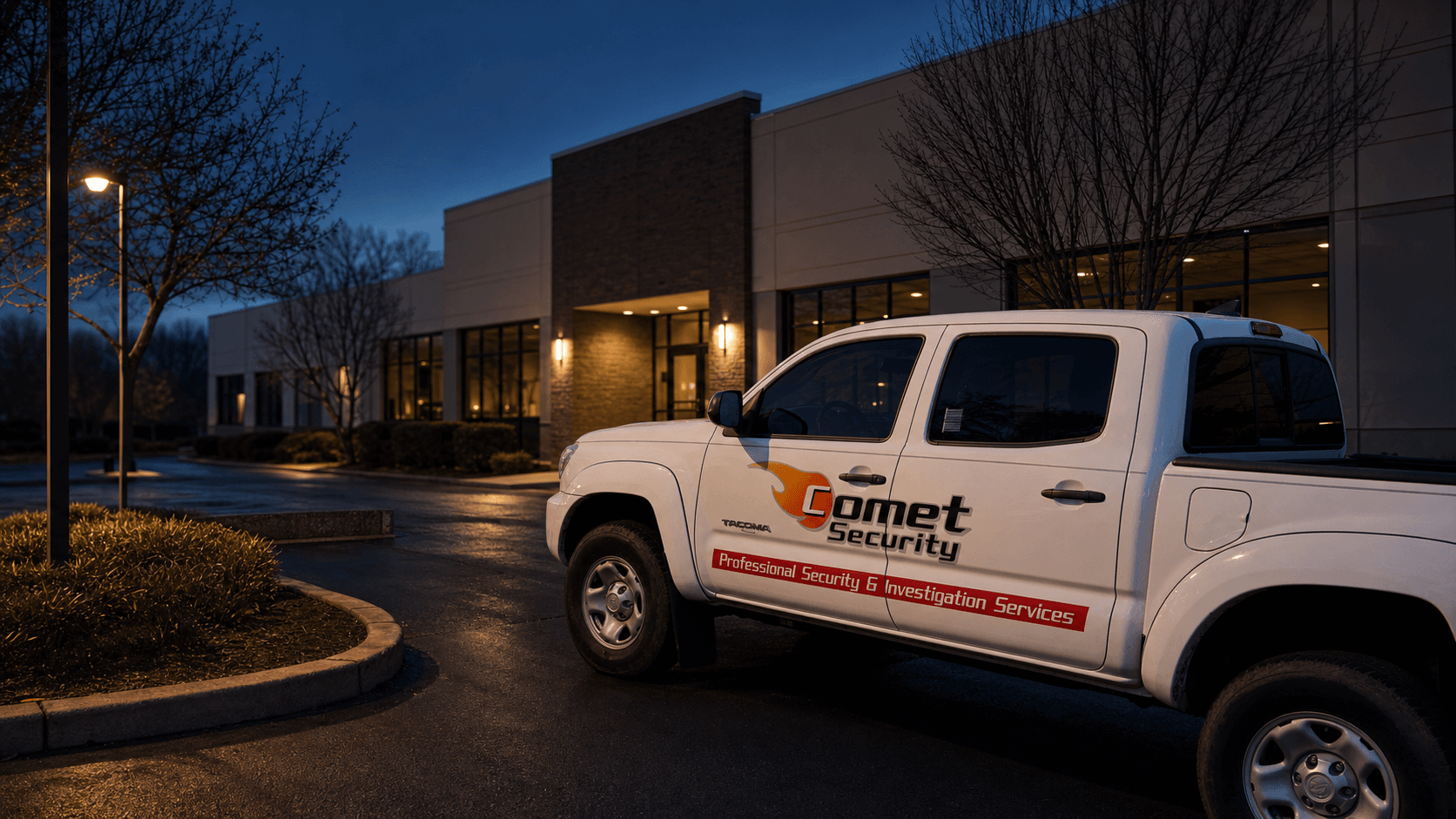
A post order is not a binder. It is the two or three things an officer must get right on your site, written so a new person can follow it at 2am.
Most "post orders" I've been handed over the years were binders. Forty pages, a company logo on every one, and nobody on the post had read past page three.
That is not a post order. That is liability paperwork.
What we actually write
A real post order fits on one page and answers four questions:
- What am I protecting? The deck, the lobby, the loading dock. Name it.
- What does "wrong" look like here? A car idling on P2 after midnight. A propped fire door. A contractor without a badge.
- What do I do when I see it? Who to call first, what to log, when to involve police.
- What do I never do? Chase. Touch. Guess.
Everything else, the gate codes, the camera monitor, the property manager's cell, goes in a short block at the bottom.
Why it matters at 2am
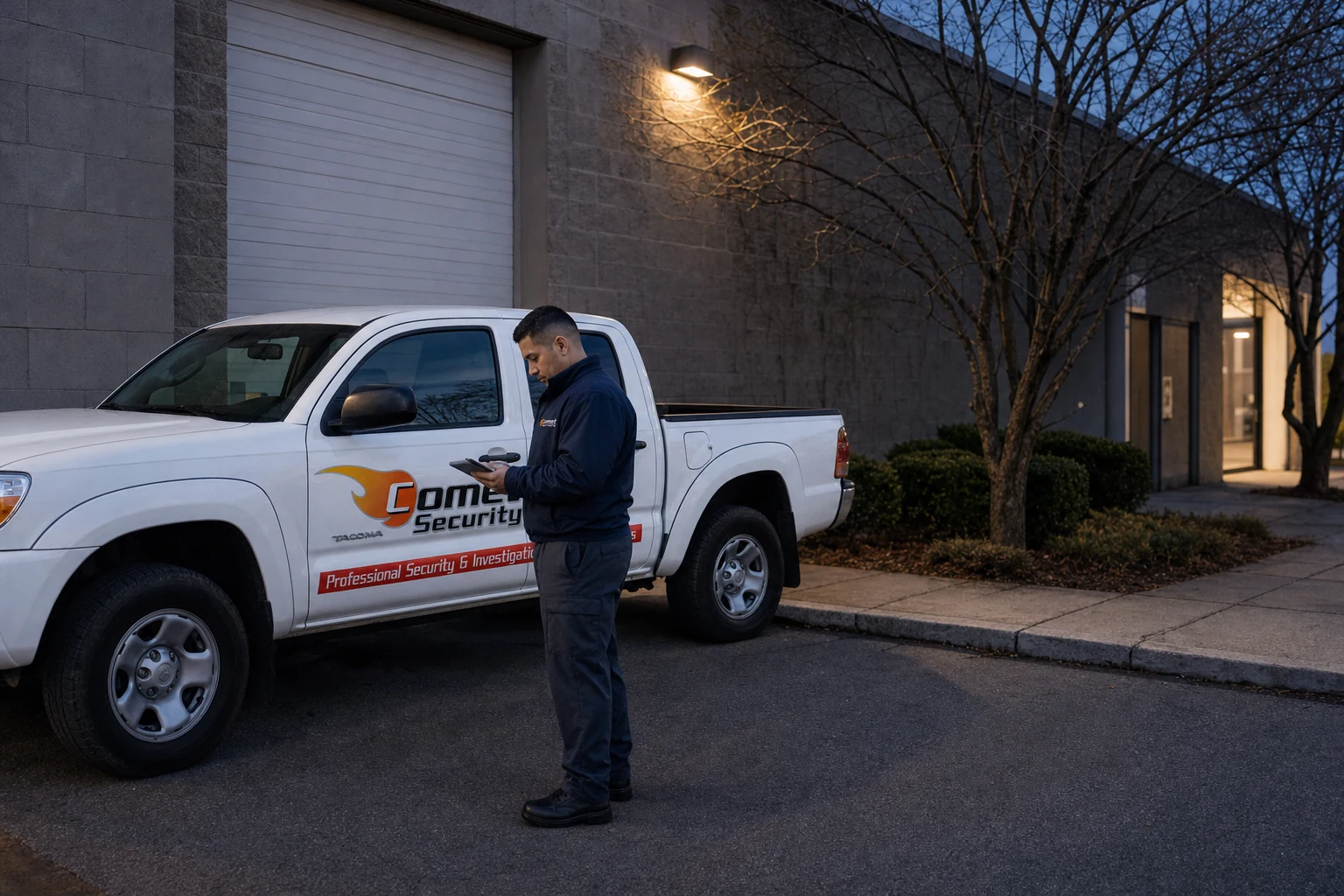
The officer on your overnight post is alone. If the instructions are buried, they improvise. If they're clear, they follow them. We write post orders so the newest person on the roster can do the job the way you'd want it done, on their first night, without calling anyone.
How we keep it honest
Every officer acknowledges the post order in the console before their first shift on that site. When something changes, the order changes, and everyone re-acknowledges. We keep a record of who acknowledged each version, and when. Ask us and we'll show you.
If your current provider can't show you that, ask them why.
SORA-certified officers on your site, with a real person they report to and a real plan on paper before they start.
I started Comet because security work depends on accountability — to the client, to the site, and to the officer standing the post. We built the company around clear expectations, direct supervision, and communication that does not disappear after a contract is signed. If we work together, you will have my number and a direct line to the people responsible for the work.
operations@cometsecurity.com